Putin – The New Russian Tsar
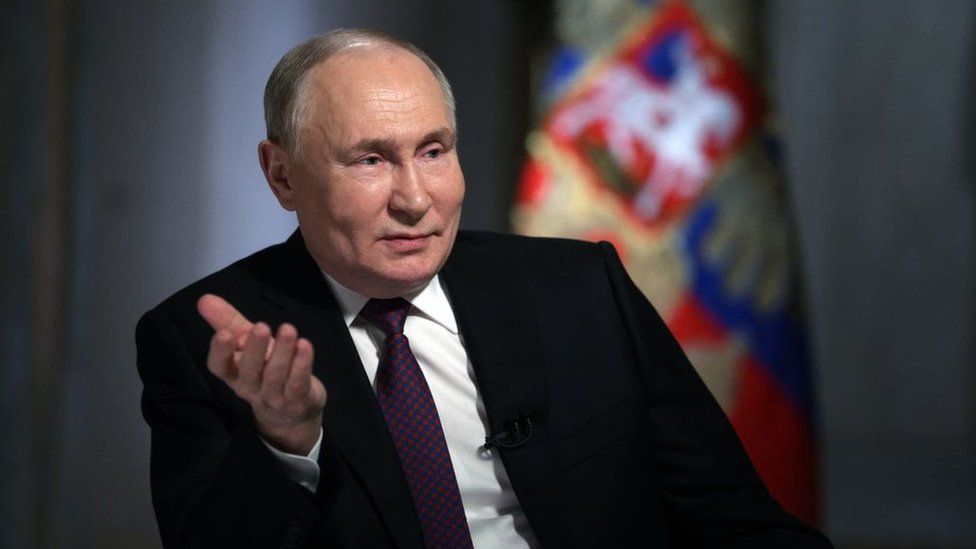
Vladimir Putin, the Russian president for nearly two decades, dominates the global political scene, and his rule often sparks controversy and strong reactions both within Russia and abroad. The story of Putin and his Russia is inextricably linked to the rise of the opposition, as well as dark narratives regarding human rights, corruption, and power.
One of the most prominent critics of Putin's rule was Alexei Navalny, the primary leader of the Russian opposition. Navalny built his reputation as an anti-corruption activist, and his political relevance began to grow after delivering a powerful speech at protests against electoral fraud in 2011. Although he started as a blogger, he soon transformed into one of Putin's greatest adversaries. Navalny's struggle for a fairer Russia led the authorities to open a case against him, accusing him of embezzlement and plotting to sentence him to prison. His case reflects deeper issues within Russian society—from the trial of the controversial group Pussy Riot to laws against the LGBTQ+ community and other repressive measures that characterize Putin's reign. Navalny's fight represents an insider's view of what it is like to be an opposition leader in today's Russia, where criticizing the regime comes at a high price.
Putin's ascent to power was as surprising as his dominance on the political stage. On New Year's Eve 1999, then-president Boris Yeltsin shocked the world by announcing his resignation and handing over power to his newly appointed Prime Minister, Vladimir Putin. Although Putin was meant to hold the presidency only temporarily, his rise was swift and undeniable. At that pivotal moment, director Vitaly Mansky was tasked with following and filming Putin, creating an intimate portrait of the leader who would later become a key figure on the global stage. The documentary "Putin's Witnesses" provides insight into those initial moments of Putin's rule and offers a perspective on how he managed to consolidate his power over the years.
However, Putin's Russia is not merely a political phenomenon. His regime is linked to tragic stories involving human rights violations, especially during the conflict with Ukraine. The emotional story of thousands of Ukrainian children abducted by the Russian state reveals the darkest side of Putin's regime. The families of these abducted children are desperately trying to bring them back from Russia, and their struggle has become a symbol of resistance against a regime that stops at nothing to achieve its goals. This is a story that spans from a detective investigation to a thriller, as investigators and families fight to learn the fate of their children while facing immense risks.
Through these stories, the image of Vladimir Putin becomes increasingly complex. His rise and retention of power are not just stories of political success, but also of the consequences his rule has on people both inside and outside of Russia. Putin's regime has shaped contemporary Russia in a way that will be remembered for a long time, but it will also leave deep scars on the world stage.
