Stasi, a state against its people
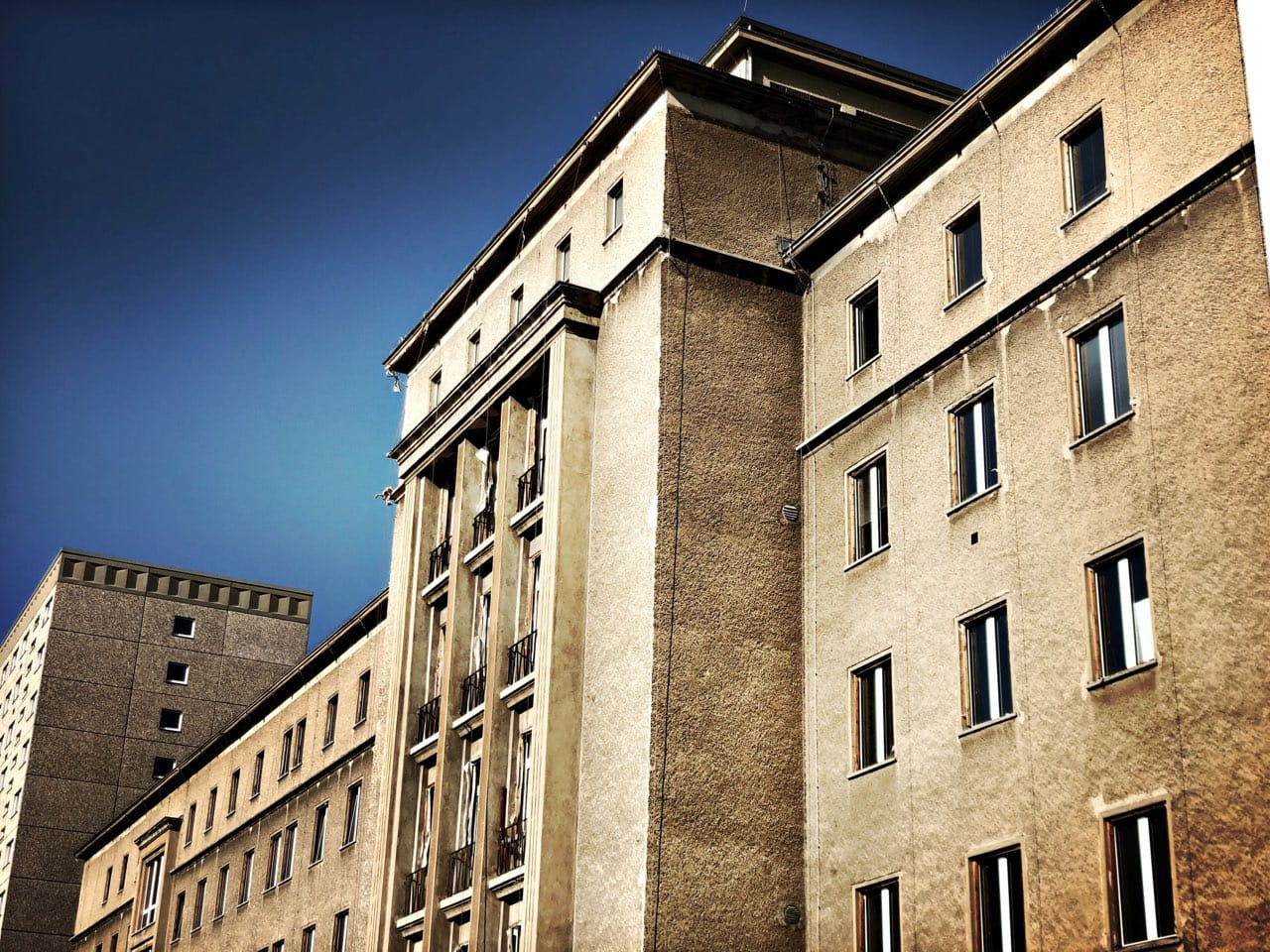
STASI - five letters associated with dictatorship, terror, violation of human rights and mass surveillance. Stasi is an acronym for the Staatssicherheit, the East German State security apparatus: 100,000 employees distributed across 16 regional offices, each with their own prisons, and almost 200,000 official informants recruited from the East German population. These figures are higher than for any other secret police system in the Soviet bloc. And yet these all-powerful secret services disappeared almost instantly following the fall of the Berlin Wall, more than 30 years ago.
What the Stasi left behind is nothing short of explosive: 111km of files, 41 million record cards, 1.4 million photos, and a number of films and audio recordings which are still being explored by historians, journalists and the victims who want to understand why their lives were shattered. These are precious documents, saved from destruction by human rights activists. Thanks to their courage, we now have a much deeper understanding of the most effective secret service in the Communist world.
The Stasi has not yet revealed all of its secrets: there are still 16,000 paper sacks filled with around 60 million pieces of paper, potentially containing 40 million new documents. For the time being, most of these are being put back together by hand in a process that could take decades. To accelerate the process, German engineers have developed a special piece of software which has already been successfully tested.
Over the past thirty years, this reconstruction process has already revealed new information: it has shown that the Stasi had recruited minors as official informers, and had also forced former Nazis to spy for them. We know more about the psychological torture methods they used: known as “Zersetzung”, this was designed to isolate and break people without using force. Other reconstituted documents show that the Stasi had developed a terrifying plan to protect the regime as a last resort: concentration camps were planned, with the capacity to detain some 80,000 opponents in just 24 hours.
According to Roland Jahn, a former opponent of the regime and the director of the Stasi archives, this work must be continued with every means available, as an homage to the victims and as a lesson from German history. “If we stop exploring and reconstituting these documents, it will be one last victory for the Stasi - and we can’t allow that to happen.”
Nothing like the Stasi’s archives, and the transparency afforded by German government and society, have ever come to light before. They will play a key role in our film and allow us to develop various levels between the past and the present. Using new discoveries and original Stasi documents, we want to tell the story of the most effective secret service in the Communist bloc. Experts from around the world will help us analyse and understand them. At the same time, interviews with several ex-Stasi officers will shed light on their methods and allow us a rare glimpse of their state of mind, and the reasons why they pursued their compatriots for the sake of an ideology.
Their victims will also tell their stories, helping us understand not only the repression they faced, but also how this affects their lives to this day. For each of these, access to the archives was an important moment which helped them put together the pieces of their broken lives. Allowing a path for both individual reconstruction and a more collective rebuilding of trust in one’s community, the opening of the Stasi archives is also an opportunity to ask larger questions about historical re-evaluation. This is a sensitive topic in terms of German history, but is a crucial one for every democratic society.
